
Natalie’s Story
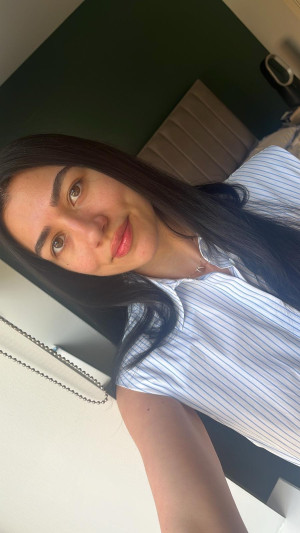 Natalie, along with her partner Shane, chose to stop drinking several years ago. Together, they later founded Soberight. Soberight provides training to help people and organizations moderate their alcohol use.
My name is Natalie, I am 26 years old, and I decided to remove alcohol from my life at 22. The past version of myself had no idea the journey that I would embark on. I work as a Nutritionist and also founded Soberight with my partner, Shane, which provides CPD training to organisations around moderating alcohol in practice.
I had been drinking since I was 14 and had a typical UK teenage upbringing with alcohol, i.e. I drank at house parties, on holidays with friends, birthdays and socialising outside of school was always planned around alcohol. Although both my parents drank, they were strict on underage drinking, so I bought alcohol myself or stole it from home.
From 18-22, I attended Abertay University to study Nutrition, and alcohol was a BIG part of my university experience, like many living away from home for the first time. After I graduated, I moved to Spain to teach English, and 10 days into the move, I decided to take a break from alcohol. I had no idea that nearly 4 years later I would still be alcohol free!
I wasn’t an alcoholic, but I didn’t like who I became when I drank. I didn’t realise it at the time, but alcohol did have it’s pro’s and cons. In the short term, I was content with the former and was happy to let the repercussions slide. I leaned on alcohol to be funnier, louder, and more confident, and I loved feeling like this when I was socialising. It made those around me appear more fun, and it could enhance a boring situation. I felt that if I struck the right balance between tipsy and drunk, drinking gave my mind a break, and I felt carefree.
However, these benefits were often short-lived, and my drinking nearly always came with undesirable consequences. My speech would slur, I would forget conversations, I would become rude, emotional, and then swing towards being too self-absorbed and annoy those around me through my messy words and actions. Falling over, being sick and losing my possessions were all normal occurrences for me and at the time, it was just “part of a good night”.
Alcohol is certainly all around us, and I am a big fan of “Sober on a Drunk Planet” a book by Sean Alexander. This is how life felt in my earlier years of sobriety, and it is still true to this day. But I feel less vulnerable to the exposure of alcohol as I am now confident in my sobriety. Alcohol is painted as how you have a good time at the weekends and where social connection comes from. It’s paired with food, it’s there for celebration and commiseration, so I think it’s no wonder that so many of us develop a dependency on it as it’s all around us and made out to be part of our lives that we just accept and don’t question. It’s a given.
As someone who lived on a tight budget, I wanted to get the maximum effects from drinking, which meant opting for a higher percentage and a lower cost and this was paired with eating little food to get as drunk as possible. This was common among my peers at high school and university, and looking back, was an unsafe way to drink, but given the cost, it’s what we just did because to go without meant risk and rejection from friends.
I originally took a break from alcohol and did not put a label or number of days on this break. What worked for me was that by removing alcohol for a period of time, I had to learn how to navigate social events, meet new people and work on a habit that I had been consciously and subconsciously doing for 8 years and learn to navigate my life moving forward without it. The longer this break went on, the more benefits I experienced both physically and mentally, and this led to a compound effect where the pros of being alcohol free outweighed the cons of not having alcohol in my life. This transpired to deciding to remain sober after around 4 months, and here I am, nearly 4 years later.
Across these years, I have discovered that through challenging cultural acceptance of alcohol, I was able to focus on the benefits that living alcohol-free brought me, and in turn, this strengthened my resolve to stay sober. I built up my confidence as a sober individual and showed others through my actions that a sober life was not boring and that I was a better person for the absence of alcohol.
Going to nights out sober, opting for soft drinks whilst everyone else drank, staying up late, being on the dance floor at weddings, going to raves, experiencing sober holidays and being a bridesmaid, showcased to everyone around me that I was a living and breathing example that you do not need alcohol to have fun. Through my actions, this has inspired others to challenge their own views around societal norms and maybe even take a break from behaviours and habits that have held them back.
I believe that we should be more informed on the health effects of alcohol, physically, mentally and emotionally. We are sold that it is a magic drink that allows us to feel great in the moment with few consequences; however, this couldn’t be further from the truth.
The facts about alcohol shouldn’t be hidden; they should be made clear so that individuals are more informed and not sold a lie that it’s something they can enjoy with little consequence. I believe that by being more open with health information around alcohol, people will begin to place as much scrutiny on the drinks sector as any other industry. This isn’t to scare anyone into not drinking, just to remove the blindness that many of us have regarding alcohol (my former self included).
Whether this is through commercials, packaging, GP advice, or open conversations, there should be a space to share the hazardous effects of alcohol and not be called boring or a killjoy for addressing these issues.
